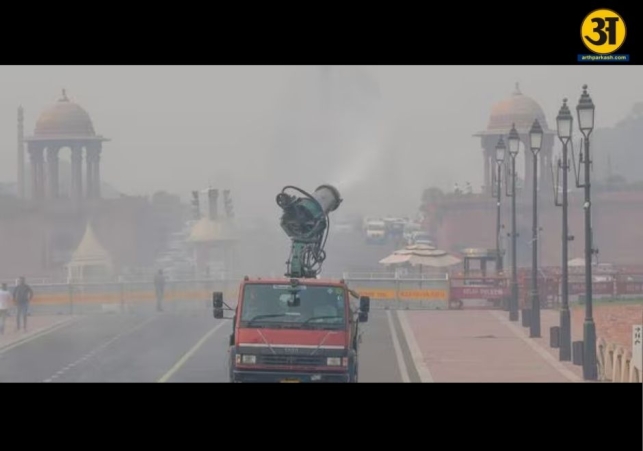
AQI above 400 damages your lungs fast
Severe air pollution harms lungs rapidly when AQI exceeds 400
In many Indian cities like Delhi, Mumbai, and others in the north, winter brings severe air pollution. When the Air Quality Index (AQI) crosses 400, it enters the “severe” category. This means the air is hazardous even for healthy people. You may notice burning eyes, heavy chest, or fatigue after walking outdoors, but the real damage is happening deep inside your lungs.
Pulmonologists warn that such high pollution levels don’t just irritate the airways—they can weaken lung function, disrupt natural defenses, and make the body more prone to serious infections. Understanding what happens inside the lungs when pollution is extreme can help people take better precautions.
How extreme pollution affects the lungs and immunity
The main danger in polluted air comes from tiny particles called PM2.5 and PM10. These particles are small enough to bypass the nose and throat and settle deep inside the lungs. According to Dr Nana Kunjir, Consultant Pulmonologist at Sahyadri Super Speciality Hospital in Pune, “These particles are so small that they can reach the lungs without any barrier and can even enter the bloodstream.”
Once inside, these particles trigger inflammation and reduce lung function. Over time, repeated exposure can cause structural damage and reduce the lungs’ ability to exchange oxygen, increasing the risk of chronic disease.
Another key defense in the lungs is the tiny hair-like structures called cilia. Cilia sweep mucus, bacteria, and pollutants out of the lungs. High levels of pollution can break or paralyze these cilia, leaving the lungs more vulnerable to infections. Dr Kunjir explains, “When cilia are damaged, there is less resistance to infections.” This is why people often get sick during smog season. Research shows long-term exposure to PM2.5 can increase lower respiratory infections, including pneumonia, by up to 44 percent.
Pollution also causes inflammation in the airways, which can worsen conditions like asthma and bronchitis. Dr Kinjal D. Modi, Consultant Pulmonary Physician at P. D. Hinduja Hospital, says prolonged exposure to PM10 can lead to “chronic inflamed secretions and reactive changes in the lung lining,” resulting in chronic bronchitis. Even healthy adults can develop acute bronchitis if exposed for long periods.
Pneumonia is another serious risk. Continuous inhalation of polluted air irritates the respiratory tract and weakens the immune response, making infections like pneumonia more likely. Fluid can accumulate in the lungs, making breathing difficult and slowing recovery.
Pollution also weakens the immune system throughout the body. Long-term exposure keeps the body in a constant state of stress and inflammation, which reduces immune cells and their effectiveness. This combination of pollution and winter viruses makes the season particularly dangerous.
Certain groups are at higher risk of severe effects from pollution:
-
Children
-
Elderly
-
People with asthma, COPD, or other lung diseases
-
Smokers
-
People with diabetes
-
Pregnant women
Hospitals often see an increase in admissions for these groups during high pollution days, and many may require longer treatments.
ALSO READ: Global alert issued as 6,000 jets face urgent updates to prevent flight-control failures
Ways to protect your lungs during smog season
While masks and air purifiers help, they are not perfect. N95 masks filter harmful particles, but the moment you remove them to eat or speak, protection disappears. Air purifiers can remove indoor pollutants, but cost, incomplete filtration, and brief outdoor exposures limit their effectiveness.
Experts recommend the following precautions to reduce lung damage:
-
Check AQI before stepping out: Use apps to monitor air quality and plan your outdoor activities accordingly.
-
Avoid outdoor exercise during severe pollution: Heavy breathing pulls more pollutants deep into the lungs.
-
Wear N95 masks in polluted areas: Surgical masks do not filter PM2.5 effectively.
-
Prioritize vaccinations: Influenza and pneumococcal vaccines reduce the risk of severe infections.
-
Eat antioxidant-rich foods and stay hydrated: Nutrients help fight the oxidative stress caused by pollution.
-
Follow treatment for pre-existing conditions: Don’t skip medications for asthma, COPD, or other illnesses during smog season.
Every breath on a severe pollution day can cause damage. PM2.5 and PM10 particles reach deep into the lungs, break natural defense systems, trigger inflammation, and increase the risk of infections such as pneumonia. Even after the smog clears, some damage may remain.
The best way to respond is not panic but protection. Track the air quality, adjust outdoor activity, support your immunity, and seek medical care when necessary. By taking these steps, you can reduce the impact of severe pollution on your lungs and overall health.
Related News